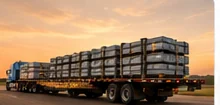
 Open deck
Flatbed Trailer
Useful for side, rear and overhead loading where freight can travel on an open deck.
- Fabricated materials
- Machinery and equipment
- Crane or forklift loading
A practical visual guide to common trailer and support-equipment categories, what each is used for, and what must be confirmed before dispatch.
The load determines the equipment. Use these categories as a starting point, then confirm dimensions, weight, loading method, route and current availability.
Open deckUseful for side, rear and overhead loading where freight can travel on an open deck.
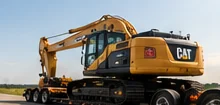 Low deck
May be considered for tall or heavy machinery where deck height and load profile matter.
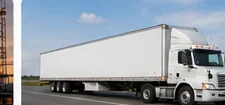 Weather protection
For suitable commercial freight that benefits from protection and conventional loading access.
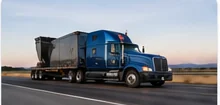 Container movement
Used for containerized freight where terminal access, container size and total weight are known.
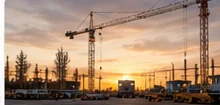 Loading support
Loading equipment can become part of the transport plan when the site cannot self-load or unload.
Send the load dimensions, total weight, origin, destination and loading method. Equipment can then be assessed from the shipment backwards.
Request an equipment assessment →Final suitability depends on the shipment and route.
| Equipment type | Typical role | Questions to confirm |
|---|---|---|
| Flatbed | Open-deck freight, materials, machinery | Securement, weather protection, loading access |
| Lowbed / low deck | Heavy or tall machinery | Weight, clearance, loading angle, permits |
| Curtain-side / enclosed | Protected commercial freight | Door / interior dimensions, dock and side access |
| Container chassis | Containerized freight | Container size, gross weight, terminal access |
| Support equipment | Loading / unloading assistance | Capacity, reach, ground and setup space |
Trailer names alone do not determine suitability. The cargo dimensions, weight distribution, loading method, route and site access should drive the equipment decision.
Useful for side, rear or overhead loading and freight that does not require a fully enclosed body.
Often considered for taller or heavier machinery where lower deck height improves the transport profile.
May suit palletized or weather-sensitive cargo where side access and protection are both useful.
Enclosed equipment can protect conventional freight where loading dimensions fit the body opening.
Unusual cargo may need configurations assessed specifically for the load and route.
Forklifts, cranes or site machinery may be part of the loading plan depending on the shipment.
No. The fleet page explains equipment categories associated with freight and project transport. Current availability and exact specifications should be confirmed for each shipment.
Deck length, width, height and load rating determine whether cargo can be carried legally and secured properly.
Provide the cargo dimensions, weight, loading method and route. Equipment can then be assessed around the shipment rather than selected by name alone.
Share the origin, destination, dimensions, weight and timing so the right equipment can be assessed.