Move the Load.
Plan the Route.
Deliver with Confidence.
Freight, equipment and project transportation begins with accurate load information. Borderline Transport helps organize the details that determine equipment, route, timing and delivery requirements.
Transportation built around the load
From routine commercial freight to open-deck machinery and project cargo, the transport plan should be built around the shipment, the loading method and the route.
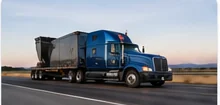
Freight Transport
Commercial and dry freight planning with equipment selected for cargo profile, handling requirements and route.
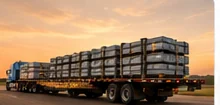
Flatbed & Trailer Transport
Planning for loads that need open-deck access, side loading, crane loading or non-standard dimensions.
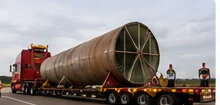
Heavy & Oversize Loads
Lowbed and specialized transport planning for machinery, large components and abnormal loads.
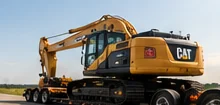
Equipment Transport
Construction and industrial equipment moves, including loaders, forklifts and job-site machinery.

Construction Logistics
Delivery sequencing, site access, equipment matching and project coordination for construction work.
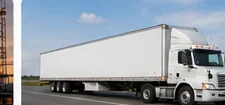
Fleet & Equipment
A practical guide to trailer types, truck classes and support-equipment categories used in freight and project transport planning.
Transport planning starts before the truck arrives
Reliable freight movement depends on matching the load to the equipment, confirming how it will be loaded and unloaded, and checking whether the route or destination creates special requirements. That is why useful transport planning starts with dimensions, weight, timing and site access—not just a truck type.
Match the trailer to the way the load travels
These are transport equipment categories—not promises of a specific unit. Exact configuration and availability should be confirmed from the shipment details.
Flatbed
Side, rear or overhead loading for materials, fabricated products and machinery.
Lowbed / Heavy Equipment
Often considered when machine height, weight or loading geometry calls for a lower deck.
Curtain-side / Enclosed
Weather protection and conventional freight handling when dimensions fit the body.
What matters before a truck is dispatched
Good transportation planning starts with load details, not a generic vehicle list.
Dimensions
Length, width and height determine deck space, legal limits and whether permits may be required.
Weight
Gross and axle-loading considerations influence trailer selection and route feasibility.
Loading Method
Forklift, crane, ramp or drive-on loading changes the equipment and site-access plan.
Route & Timing
Origin, destination, access windows and project schedule shape the transport plan.
Need to move freight, machinery or a project load?
Start with the cargo details and we can organize the information needed for a proper transport quote.